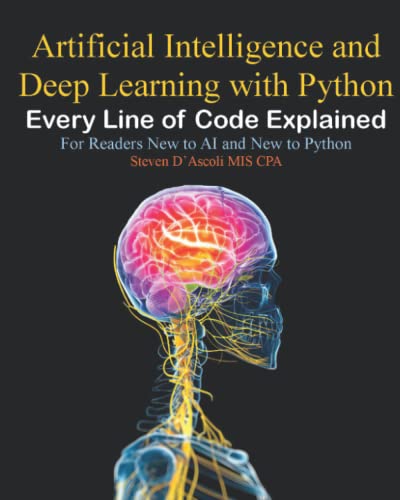
If you're ready to dive into the world of AI, you've come to the right place! There are a ton of AI programming books out there that can guide you through your journey. Whether you're a total newbie or have some coding skills, these picks will get you started on the right foot.
One of the most popular choices is "Hands-On Machine Learning with Scikit-Learn, Keras, and TensorFlow" by Aurélien Géron. This book is super approachable and filled with practical examples. You'll learn how to build real machine-learning projects from scratch. It's perfect if you want a hands-on experience!
Another top contender is "Artificial Intelligence: A Guide to Intelligent Systems" by Michael Negnevitsky. This book breaks down complex concepts into simple language, making it easier for beginners. You'll get a solid understanding of AI principles and techniques, which sets a great foundation for your learning.
If you're looking to understand the math behind AI, check out "Deep Learning" by Ian Goodfellow, Yoshua Bengio, and Aaron Courville. It can be a bit dense, but it’s one of the best resources out there. Once you get the hang of the basics, this book explains deep learning concepts in detail, preparing you for more advanced topics.
Lastly, "Python Machine Learning" by Sebastian Raschka and Vahid Mirjalili is another excellent choice. This one emphasizes using Python for machine learning tasks. It's beginner-friendly and walks you through practical projects that let you apply what you learn. If you're eager to code, this book will be a game-changer for you!
Must-Read Guides for Aspiring AI Programmers
If you're diving into the world of AI programming, having the right guides can make all the difference. These must-read AI programming books are designed to take you from a curious beginner to someone who feels confident in the field. What’s great is that they break down complex concepts into simple terms and provide plenty of examples to help you along the way.
First up is "Python Machine Learning" by Sebastian Raschka and Vahid Mirjalili. This book dives into the practical side of using Python for machine learning projects. You'll get your hands dirty with coding examples, which is perfect for those who learn best by doing. It's not just theory; it’s all about applying what you learn.
Another gem is "Deep Learning with Python" by François Chollet. This book covers the cutting-edge techniques surrounding deep learning. Chollet, the creator of Keras, shares his insights and practical applications that make this complex topic manageable for beginners. You’ll appreciate how approachable it feels, even if you’re just starting.
"Hands-On Machine Learning with Scikit-Learn, Keras, and TensorFlow" by Aurélien Géron deserves a spot on your reading list, too. It’s filled with real-life projects that help solidify your understanding. You’ll discover how to solve different problems using AI and machine learning, making this a hands-on guide that you'll want to keep coming back to.
Don’t overlook "Artificial Intelligence: A Guide to Intelligent Systems" by Michael Negnevitsky. It provides a broader view of how AI fits into the big picture. It's perfect if you want to grasp the fundamentals and the implications of AI technologies. This kind of perspective is super valuable as you start to shape your journey in AI programming.
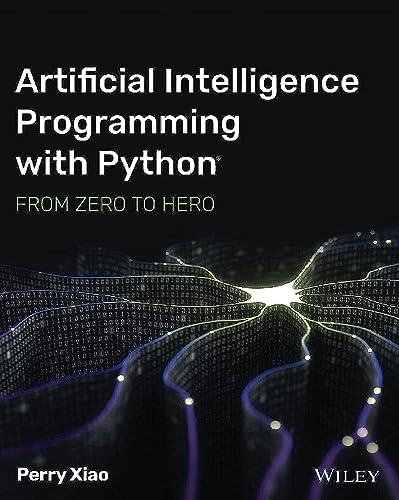
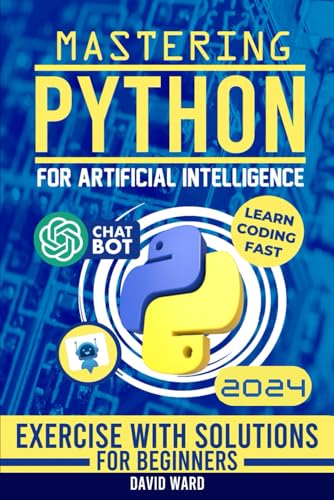
Master Python for Artificial Intelligence Programming
Unlock the secrets of AI development through expert Python programming techniques
Product information
$13.65
Product Review Score
4.78 out of 5 stars
213 reviewsProduct links
Affordable AI Books Everyone Can Enjoy
Looking for some awesome AI programming books that won’t break the bank? You’ve come to the right place! There are plenty of great options out there that are both affordable and packed with valuable insights. Whether you’re just starting or looking to sharpen your skills, these books make it easy and enjoyable.
First up, check out "Python Machine Learning" by Sebastian Raschka. It’s an excellent choice for beginners who want to dive into machine learning. This book is not just easy on the wallet; it’s also filled with practical examples that help you grasp concepts quickly. Plus, you get to learn Python, which is super popular in the AI world.
Another great pick is "Artificial Intelligence: A Guide to Intelligent Systems" by Michael Negnevitsky. This book is an amazing introduction to AI concepts and techniques. It breaks down complex ideas into simple chunks, making it super accessible. And guess what? It’s budget-friendly too!
Last but not least, don’t miss out on "Hands-On Machine Learning with Scikit-Learn, Keras, and TensorFlow" by Aurélien Géron. It’s packed with practical projects and tips that let you practice as you read. This book is ideal for beginners who love a hands-on approach and want to dive right in without spending a fortune.
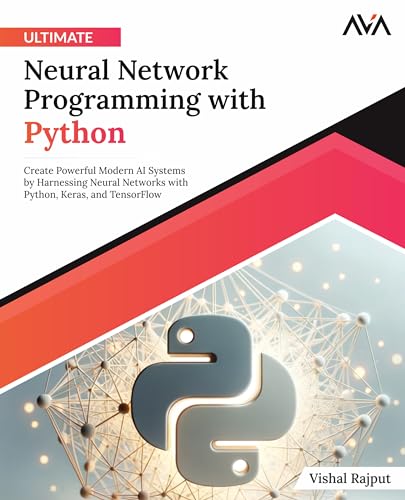
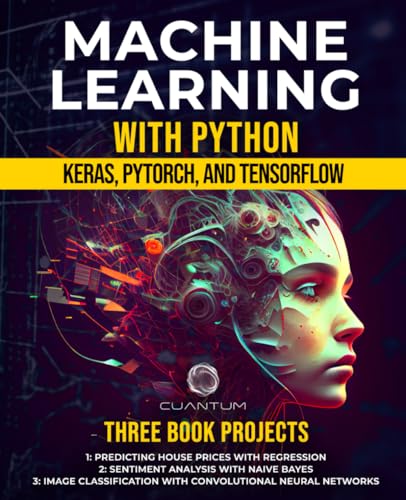
Master Neural Network Programming with Python and TensorFlow
Unlock the secrets of advanced machine learning with hands-on projects and expert guidance
Product information
$22.00
Product Review Score
4.91 out of 5 stars
191 reviewsProduct links
Key Concepts Explained Simply for Beginners
Getting into AI programming can feel like jumping into a whole new world. But don't worry! Here are some key concepts that are super important, all explained in a way that makes sense.
First up is machine learning. Think of it as giving computers the ability to learn from data. Instead of being programmed to do a specific task, a computer uses examples to figure things out on its own. This is what can make AI feel so smart! Many of the AI programming books will dive into different types of machine learning, like supervised and unsupervised learning, to help you understand how it all works.
Next is neural networks. These are inspired by how our brains function. A neural network is made up of layers of interconnected nodes, and each layer processes information. When you read through the AI programming books, you'll see how these networks can recognize patterns, like identifying pictures or understanding speech, which is pretty cool!
Then we have natural language processing (NLP). This is all about getting computers to understand human language. Whether it's translating languages or replying to queries, NLP plays a big role in making AI useful in our everyday lives. You’ll find tons of examples in the AI programming books that show how to work with text and speech data.
Finally, don’t forget about data. Data is the fuel for AI. The quality and quantity of data can really impact how well an AI system works. Most of the top AI programming books will talk about how to collect, prepare, and use data effectively so that you can get the best results in your AI projects.